Missing Sister

Missing Sister by Joshilyn Jackson

Reviewed by Ephantus Gold

Missing Sister” by Joshilyn Jackson is the kind of story that opens with more questions than answers – a body on the cold floor, a young, inexperienced cop haunted by the one person she couldn’t save, and a feeling that this time she’s too deep to walk away.  Purchase Here.

Penny never dreamed of becoming a cop as a child. Her tender heart often left her father wondering if the role was really right for her.  Her desire to protect and serve arose after the tragic death of her twin Nix Albright, who had wanted nothing but to make the world fair. In the present day, Penny is at her first crime scene, where a familiar-looking man has been brutally murdered. He is someone she wished to meet when he was dead and “sprawled like roadkill,” and well, here he was. A dark joy fills her as she realizes that two of the three people she hated most had died. However, their death timing, both in two months, has her questioning whether it was a pure coincidence. When she interviews the assailant, a woman covered in blood-drenched clothes gripping a box cutter, she finds herself caught up in a dilemma when the woman threatens her, before muttering out a word- “a bigger word than rules, or law or rightful,” leading Penny to do the unthinkable.

Penny’s gentle voice takes the reader back in time to the events leading to Nix’s death. Here, she shows how people blamed the girl for what befell her. In these lines, themes of social judgment, grief, and loss, as well as victim, arise. After her burial, Penny is shown wondering what she could have changed about the past, but she knows she can’t. That feeling of helplessness lingers on and later shapes how she carries her grief and what she later becomes. As a cop in training, Penny is later questioned by detectives. Here, her silence weighs heavily, challenging her sense of justice and forcing her to face the kind of officer she is becoming. Here, themes of identity and duty, as well as redemption and responsibility, surface. The sense of being watched after the interview adds to her unease, blurring the line between guilt and persecution, and reminding her that further silence may only lead to more entanglement.

Joshilyn has structured this tale with skill, layering the past and present in a way that constantly keeps the reader wondering what really happened to Nix. The shifting timelines don’t feel forced; rather, they make the story breathe and move like a memory itself. She has used short, sharp scenes that build tension without giving too much. The dialogue feels grounded, almost personal. You can tell Joshilyn understands grief and guilt and how they both can influence the choices people make. The suspense is steady, not loud or overdone, and the pacing pulls you along quietly, and before you know it, you are too deep to step back. Penny, as a young heroine, is one of the book’s best decisions. She is flawed and uncertain, which makes her believable and relatable. Through her, Joshilyn speaks to young readers who may be struggling with questions of justice and what it means to be good in a broken world.

Missing Sister” doesn’t just entertain but also provokes thought. It’s meant for readers who enjoy character-driven stories featuring young heroines, as well as crime fiction that remains haunting and lingering lo


Paper Cut

Paper Cut by Rachel Taff

Reviewed by Ephantus Gold

Paper Cut” by Rachel Taff starts quietly, maybe too quietly, like the calm before something breaks. You can feel the weight underneath it —a type of grief that won’t speak but stays there, waiting. The story doesn’t open with action but with a strong sense that someone’s truth is about to break through the surface. The main character, Lucy Golden, is not an easy character to figure out, and that is what intrigued me. She is a memoirist who wrote the popular memoir “Rattlesnake”, a book that not only made her famous but also extremely hated. She is held responsible for killing a person she loved, and whether or not it’s true, the rumor clings to her like a shadow. She’s thirty-five and has lived too many lives already. Her mother, who’s an artist and a photographer, can hardly bear to look at her, and when they talk, it’s not across space or machines – it’s eye to eye, hard and icy, like two people standing on the threshold of something they can’t cross through.  Purchase Here.

There’s Isaac Coleman, the documentary filmmaker who once solved the Buckhead Butcher case. He wishes to make his next documentary about Lucy and her life. He talks of bringing her back into the spotlight- more books purchased, more press, a re-release of “Rattlesnake”. He promises fresh evidence which will throw the case wide open. That word, “new,” sounded dangerous to me, like a trick wrapped as a gift. Lucy is intelligent enough not to take anyone in the media at their word, but she nevertheless goes along with Isaac’s request.

The story moves back and forth between her present and her past, through fragments of “Rattlesnake” and memories that feel too sharp to be fiction. We meet her father, Max, a man who built a place in the desert called the Oasis, where people go to “find themselves.” At first, it sounds like a retreat, but soon it feels like something else entirely- something dark and controlling, like a dream that turns into a cage. The book slowly reveals what goes on there: drowned voices, missing bodies, strange “purity” regulations. The more we know, the worse it seems that the truth has been buried under decades of dishonesty.

The prose is calm but cuts deep. Rachel Taff doesn’t decorate her sentences; instead, she pares them down until they sting. There’s a rhythm to her writing, sometimes quiet, sometimes jagged, that matches Lucy’s own state of mind. The dialogue is gritty, sometimes broken, as though people are trying to convey what they really mean but never quite manage to do so. The characters breathe and bruise in real time.  Lucy’s voice carries both strength and fragility, and even the side characters, like Isaac and Max, seem to be hiding entire novels behind their eyes. The word choice is simple, but there is tangible weight, depth, and tension between the sentences. You don’t read swiftly through this novel; instead, you feel your way through it. It isn’t flash writing; it’s real, and it hurts in the best possible way. Themes of manipulation, courage, and the strange ways that individuals survive the atrocities that would have killed them are meticulously built, and every chapter has you questioning what is real, who is lying, and whether redemption can occur after so much damage.

When I’d read “Paper Cut“, I felt undone and restless, as though I could still hear voices echoing in the desert. I adored how Rachel Taff writes with a quiet flame; she doesn’t push emotion but instead lets it simmer until it stings. This book is for readers who enjoy their stories complex, emotional, and uncomfortably human, as well as those who are not afraid to walk through the darker areas of memory to arrive at the truth. It’s not a story that ends cleanly, and maybe that’s what makes it so haunting.


At Dawn the Simorph Appears

At Dawn the Simorgh Appears by K.A. Lillehei

Reviewed by Dianne Woodman

At Dawn the Simorgh Appears is a gripping story that illustrates the strength and resilience of two women who are thrown into a dreadful situation that appears hopeless. Anna, an American scientist, and her Persian interpreter, Farah, are kidnapped from an archeological site in Iran by armed marauders and held prisoner in a stone hut. They have no idea where they are being held, and the inside of their cell is shrouded in darkness. To keep from becoming overwhelmed by their circumstances, Anna and Farah pass their time together reminiscing about childhood memories. Purchase Here.

When an opportunity to escape arises, the two women take advantage of it. A young nomad boy, Samir, who is at the bandits’ hideout, flees with them in a stolen jeep. They get help from a group of nomadic tribespeople, and K.A. Lillehei includes interesting details about people who live a nomadic lifestyle. Anna, Farah, and Samir are guided by one of the young nomads through the Zagros mountain range, which are located in Iran and along the border areas of Iraq and Turkey. The plan is for the three freed prisoners to cross the border into Iran. Will they make it safely to Iran before the dangerous men catch up with them? If they survive, what kind of effect will this horrible ordeal have on their everyday lives?

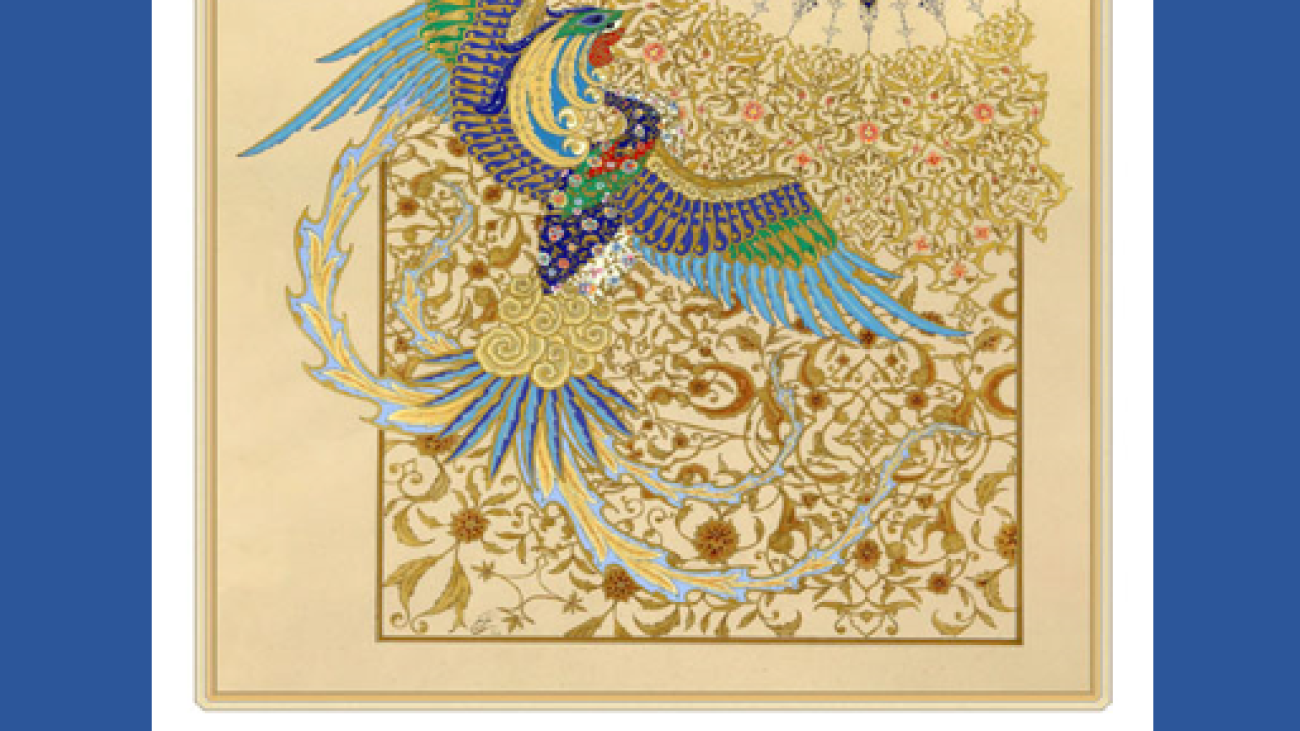
At the beginning of this enthralling novel, Lillehei captures readers’ attention with an excerpt from a story about the Simorgh, a compassionate female winged creature that appears in Iranian mythology as a benefactor to those in need. In chapter one Anna and Farah are discussing the shock and lack of understanding regarding their kidnapping and incarceration. Readers will empathize with their predicament and want to know the outcome. Throughout the book are excerpts of memories from the lives of the three escapees, along with mythological tales about strong women. All of the recollections and mythic tales play a crucial part in the storyline.

Anna and Farah have experienced far different cultural and lifestyle backgrounds. However, as the two women share their innermost thoughts and feelings about themselves a strong bond of friendship develops between them, which is wonderfully illustrated throughout the story. Anna studies ancient civilizations and converses with Farah in English and Farsi. Persian and Arabic words and/or phrases are used throughout the story, and Lillehei provides translations so there is no confusion about their meanings. Usage of metaphors adds depth to the text that conjures up images, thoughts, and feelings in readers’ minds. This is an outstanding book that shows the strength of femininity in the face of monumental obstacles and how cultural background influences the manner in which people learn, live, and behave.