Reviewed by Timea Barabas
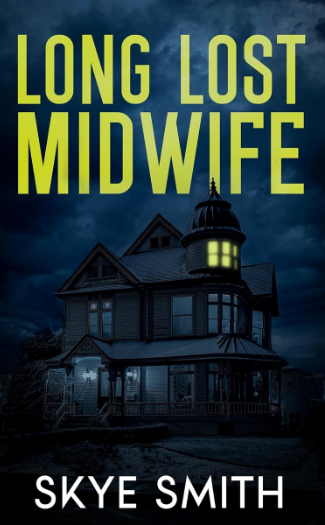
Skye Smith’s Long Lost Midwife offers a captivating exploration of life’s winding path. Set in the 1930s, the novel blends a journey of self-discovery with sharp societal critique. While it may be tempting to interpret the story through a modern perspective, it’s important to approach it within the context of its own time. Purchase Here.
We first meet Franklin and Pamela Dorset just after their wedding, when they are settling into their much-admired home and enviable lifestyle. As they embark on their honeymoon across Europe, however, cracks begin to show in their new marriage. Both are learning who the other truly is, pushing against each other’s comfort zones in the process.
Their travels are shadowed not only by the strains of their relationship but also by the growing political unrest in Europe, a subject that weighs heavily on Franklin. He eagerly seeks conversation about world affairs, yet finds little engagement from his new wife, who is reluctant to enter such debates. Pamela also shows hesitation when it comes to physical intimacy, further testing the foundation of their young union.
After their return, Franklin and Pamela continue working on their relationship, which eventually bears fruit when Pamela becomes pregnant. While the entire family urges her to deliver in a hospital under the care of trained medical professionals, Pamela is haunted by a distant memory.
She recalls Miss Minnie, the woman who not only brought her and her sister into the world but also cared for them as small children. Instead of the cold, sterile atmosphere of a hospital, Pamela longs to give birth as she was born: at home, surrounded by warmth and compassion.
While Long Lost Midwife begins as a story about navigating the challenges of early married life (set against the backdrop of looming global political unrest), it quickly shifts its focus to a deeper, more complex exploration of racial segregation and evolving societal norms.
Pamela’s husband and family are firmly opposed to the idea of a home birth, especially one attended by a woman of color. Despite her wishes, Pamela finds she has little say in the decision. To her relatives, allowing two Black women to help with household duties is already considered an eccentric indulgence.
Yet Pamela cannot escape the tender pull of her memories with Miss Minnie. Compelled by a force she can hardly name, she makes repeated attempts to reach out to her. Once their paths finally cross, Pamela begins to unravel the deep ties binding their lives and the lasting consequences they carry.
As she learns more about this complex, enigmatic woman, long-buried family secrets come to light, secrets that will forever alter her understanding of herself and her world. Then, in an unexpected turn, the novel shifts into a gripping murder mystery.
Because of its mature themes, Long Lost Midwife is best suited for adult readers. It sparks meaningful conversations on a wide range of issues and, though set in the 1930s, its themes remain strikingly relevant today. Covering subjects such as sexuality, gender roles, racial dynamics, and societal taboos, the story offers something that will resonate with a broad and diverse audience.